


Video Editor & Maker - InShot
InShot Video Editor
I’ve used Video Editor & Maker - InShot as a practical mobile editor rather than treating it like a miniature desktop suite. That distinction matters. It is a photography app from InShot Video Editor, but its real appeal is the way it lets me turn clips, photos, music, text, and simple visual effects into something shareable without making me learn a complicated timeline first.
My overall impression is favorable: this is a friendly editor for everyday videos, short social posts, photo slideshows, travel recaps, and quick family projects. It feels designed for people who want a result quickly, not for editors who need deep color correction, elaborate audio mixing, or frame-by-frame control. The free download is available for Everyone, and the app has built a 4.8 average from around 24 million ratings, which matches my sense that its main strength is accessibility rather than specialist precision.
How InShot feels when the network is part of the workflow
The first edit is mostly about getting started quickly
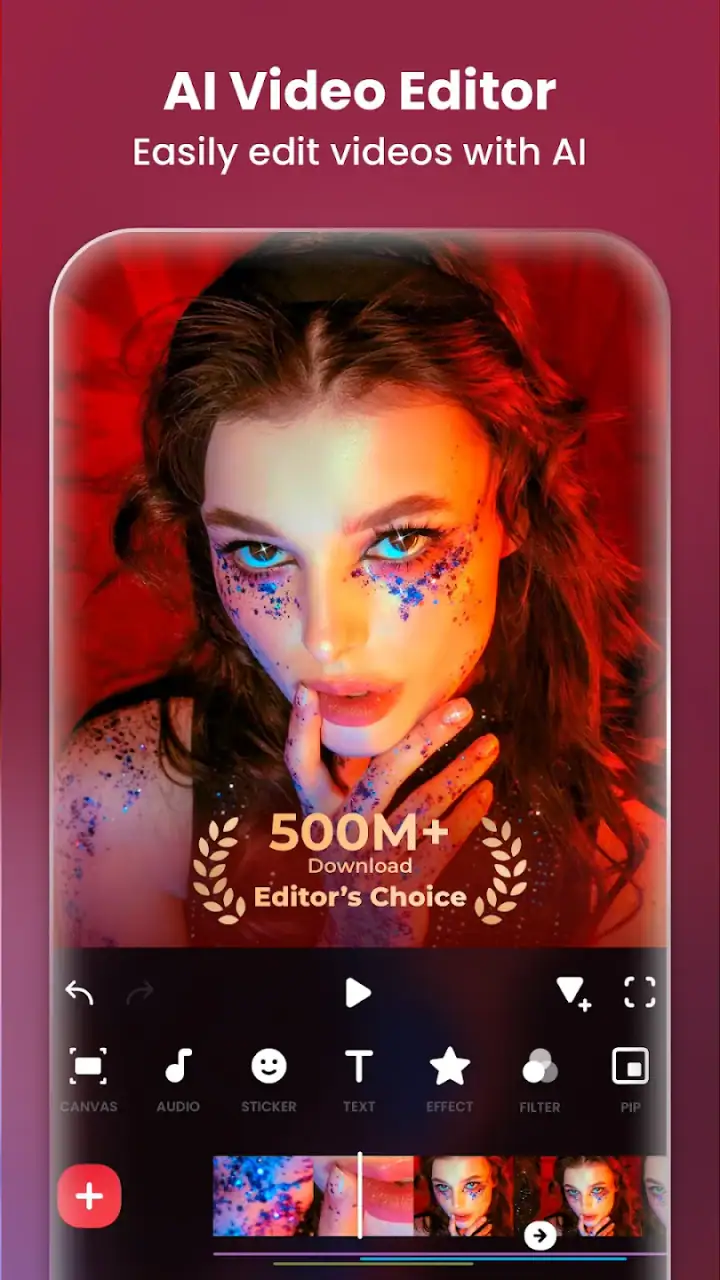
The interface is easy to approach because the main choices are immediately understandable: video, photo, or collage. Once I select media, the editing area keeps the important actions close at hand. Trimming, splitting, changing the canvas, adding text, placing stickers, adjusting speed, and choosing music all feel like natural steps rather than features hidden behind technical menus.
Related News

How FaceApp: Perfect Face Editor is Shaping the Future of Selfies
How Google Photos Redefined the Photography App Market

How Picsart AI is Transforming Mobile Photo Editing
That simplicity is especially useful when I am editing on a phone with one hand or while moving between tasks. I do not have to build a project around a complex desktop-style track system. Instead, I can make a rough cut, preview it, notice what feels wrong, and correct it without losing the thread of the project.
Connectivity becomes more noticeable when I move beyond the basic tools. Music, effects, stickers, fonts, and other creative resources can make the editor feel richer, but anything that depends on loading or obtaining additional material is less predictable than trimming a clip already stored on my device. I therefore prefer to gather the media I know I need before beginning a serious edit, especially if I am working somewhere with weak service.
Latest News

Uber Eats Under Pressure: What Happens When Delivery Goes Wrong

How QR & Barcode Scanner Adapts to Android and iOS Innovations

Why Waze Navigation & Live Traffic Is Your Essential Travel Companion
CapCut Mastery: Unleash Hidden Features for Pro-Level Editing

How OS Updates Enhance Roblox Adventures

Teacher Simulator: Exam Time Turns Quick Classroom Judgments into a Repetitive Loop
What happens when a project needs online resources
InShot’s store summary highlights AI video editing with music, effects, slideshows, and slow motion. In practice, I see those as separate reasons to open the app rather than one single workflow. A slideshow can be assembled from still images, a slow-motion moment can give a short clip more emphasis, and music can change the mood of an otherwise ordinary sequence.
The network-sensitive part is not the basic idea of editing; it is the surrounding material and the handoff around it. If I am browsing for an effect, looking for a suitable audio choice, or preparing to share the finished file, a reliable connection makes the experience smoother. If the connection is poor, I can still spend time arranging the material already available to me, but the project may feel incomplete until those extra steps work properly.
My advice is to separate creative decisions from online browsing. I first decide the story, select the clips, and make the rough cut. Only after that do I spend time exploring decorative elements. This keeps a slow connection from turning a five-minute edit into a long session of waiting and changing direction.
Gallery
A realistic everyday scenario
Imagine I have recorded a child’s birthday, a weekend walk, or a small cooking project. I might begin with ten short clips, remove the shaky openings, shorten repeated moments, and place the strongest shot first. Then I can add a title, adjust the frame so it fits the intended destination, and use a few transitions without making every cut look busy.
If I am doing this away from home, I would make the first version before worrying about music or online sharing. The important story can be completed from the footage I already have. When the connection improves, I can test a soundtrack, check the final preview, and export or share the result. That two-stage approach is more dependable than trying to download creative assets, edit, and publish all at once.
Where mobile editing is genuinely convenient
On a phone, the biggest advantage is immediacy. I can edit soon after recording while I still remember which moments matter. InShot is well suited to that habit because its controls are readable and its common functions are not buried under professional terminology.
The app is also useful for mixed media. A short project can combine portrait video, landscape footage, photographs, text, and music without requiring me to move everything to a computer first. That makes it practical for a quick travel summary or a slideshow made from images that would otherwise remain scattered in the camera roll.
There is a trade-off, though. A phone screen gives me less room to judge fine timing than a tablet or desktop monitor. I can make a good short edit, but I would not trust a small display for delicate audio synchronization, detailed visual matching, or a long project with many layers. The app lowers the entry barrier; it does not remove the physical limits of mobile editing.
Small workflows that improve the result
One useful habit is to create a clean first pass before adding decoration. I trim dead space, remove duplicate clips, and arrange the sequence so it makes sense without effects. Only then do I add text, stickers, transitions, or music. This prevents visual extras from hiding a weak structure.
Another practical technique is to treat the opening seconds as a separate decision. On a phone, viewers often decide quickly whether to continue watching, so I place the clearest or most interesting moment near the beginning instead of slowly building toward it. InShot makes this easy because clips can be reordered and shortened without a complicated project setup.
I also recommend checking the canvas before doing detailed work. A clip that looks fine in its original shape may need a different framing for a vertical post, a square image, or a wider presentation. Changing that choice late can force me to revisit text placement and cropping. Making it early saves time and reduces accidental cuts to faces or important objects.
Failure points and how I recover
Mobile editing is vulnerable to interruptions. A phone call, a low battery, limited storage, a weak connection, or an accidental app closure can break concentration. I do not treat the project as finished merely because the preview looks right. I check the final sequence again before leaving the editor and avoid starting a large project when the phone is already struggling with several other tasks.
When something goes wrong, my first recovery step is to simplify. I remove unnecessary effects, shorten the number of clips, and test the project in smaller pieces. If a complicated sequence becomes unreliable, exporting or reviewing a simpler draft can show whether the problem comes from one particular clip or from the project as a whole.
I also keep the original photos and videos untouched. That gives me a way back if I crop something badly, replace a clip by mistake, or decide that an effect has made the result worse. The safest mobile workflow is not to rely on one finished version; it is to preserve the source material and build revisions gradually.
Connectivity failures require a slightly different response. If browsing or sharing is interrupted, I continue with the parts of the project that use local media and postpone the network-dependent step. I would rather finish a clean edit and wait to publish than repeatedly restart the entire process around an unstable connection.
Using InShot without wasting data
Because video files can be large, I prefer to edit over a stable connection but avoid unnecessary uploading and downloading during the creative stage. I select the clips first, remove material I know I will not use, and keep the project focused. This saves both time and mobile data, particularly when the original camera files are long or recorded at high quality.
For music and creative resources, I make choices deliberately instead of repeatedly previewing everything available. A short list of suitable options is easier to manage than endless browsing. I also review the finished video before sharing it, since discovering a typo or poorly timed cut after publication can mean another export and another upload.
Storage deserves attention as well. A project may involve original footage, temporary edits, and a final exported file. I avoid deleting the source clips until I am satisfied with the result, but I also clean up abandoned drafts and duplicate exports afterward. This balance matters more on a phone than on a computer with abundant storage.
Free access, purchases, and what that means in practice
InShot is free to download, which makes it easy to test the editing approach without committing money at the start. The app includes in-app purchases ranging from $0.99 to $199.99 per item, so I would look carefully at the purchase screen before confirming anything. For casual users, the sensible approach is to begin with the free experience and decide only later whether a paid element is worth it for a particular workflow.
I would not choose this app solely because it is free. I would choose it because the basic editing process is approachable and quick. If I regularly need advanced production controls, a larger workspace, or a more formal editing environment, another tool may justify its learning curve better. InShot is strongest when speed and convenience matter more than exhaustive control.
Who should use it, and who should look elsewhere
I think it is a strong match for beginners, students, casual creators, parents making family videos, travelers assembling short recaps, and anyone who wants to improve phone footage without studying professional editing software. It is also useful for people who prefer visual experimentation: a few changes to timing, framing, text, and music can make an ordinary clip feel much more intentional.
I would be more cautious recommending it to someone producing long-form work, managing many synchronized audio sources, or needing highly exact adjustments. A desktop editor will usually be more comfortable for a documentary, a detailed tutorial, or a project where every frame and sound cue must be controlled. Likewise, if your main priority is advanced image correction rather than quick video creation, a dedicated photography editor may be a better fit.
Compared with a basic gallery editor, InShot gives me a much broader creative path. Compared with a professional desktop editor, it is faster to learn but less spacious and less precise. Compared with a simple slideshow maker, it offers more control over timing, motion, text, and effects, while still keeping the workflow approachable. Its position between those extremes is exactly why it works for so many everyday projects.
Compatibility and long-term expectations
The current version is 2.184.1522, and the app runs on Android 7.0 or later. That makes it relevant to people who are not using the newest phone, although the practical experience will still depend on the device’s available storage, processing ability, and camera files. Editing short clips is a different demand from handling a large collection of high-resolution footage.
The app was released on March 5, 2014, and its scale is clear from more than 500 million installs. I see that reach as useful reassurance that the app is not an obscure experiment, but it should not replace personal testing. Phones differ widely, and the right question is whether the editor feels comfortable with your footage, your storage situation, and your preferred way of sharing.
My connectivity verdict
Connectivity shapes InShot most around resources, previews, exporting routines, and sharing, not around the simple act of arranging clips. That makes the app workable in imperfect mobile conditions if I plan ahead. I can prepare the structure of a project first, avoid unnecessary browsing, and leave publication or other connection-sensitive steps for a more reliable moment.
My final recommendation is straightforward: try it if you want a capable, approachable phone editor for short videos, slideshows, music-led edits, and social content. Keep your original media, check the canvas early, make a clean cut before adding decoration, and treat online features as a separate stage when your connection is uncertain. I would skip it only if I already know that mobile simplicity will frustrate me or that my projects demand desktop-level precision.
For its intended audience, the balance is convincing. InShot does not turn a phone into a full production studio, but it makes the distance between recording a moment and presenting it well surprisingly short. That is the reason I would recommend it to a friend who wants useful results without a long technical lesson.
FAQs for Video Editor & Maker - InShot
What features does InShot offer for video editing?
InShot provides a comprehensive suite of video editing tools including trimming, cutting, and splitting video clips. Users can also adjust video speed, add music, text, and filters, and apply transitions. The app supports various aspect ratios, making it suitable for different social media platforms. It's user-friendly, making it accessible for beginners.
Is InShot free to use, or are there in-app purchases?
InShot is free to download and offers a variety of features at no cost. However, there are in-app purchases available for those who want to unlock premium features, remove ads, and access additional effects and filters. This allows users to enhance their editing experience significantly.
Can I use InShot on both Android and iOS devices?
Yes, InShot is available for download on both Android and iOS platforms. This makes it versatile and accessible for users across different devices. Whether you have an iPhone or an Android phone, you can enjoy seamless video editing with InShot’s intuitive interface.
Does InShot support high-resolution video exports?
InShot supports exporting videos in high resolutions, including 1080p and 4K, depending on your device's capabilities. This ensures that your finished videos maintain their quality and are suitable for professional use or sharing on high-definition platforms.
Are there any limitations in using InShot for professional video editing?
While InShot offers robust features for casual and semi-professional editing, it may lack some advanced tools found in professional desktop editing software. It's ideal for quick edits and social media content but may not replace comprehensive software for complex projects. Users should assess their needs before relying solely on InShot for professional work.
Pros
- User-friendly interface
- easy to navigate.
- Wide range of editing tools available.
- Supports multiple video formats.
- High-quality export options.
- Includes trendy filters and effects.
Cons
- Watermark on free version exports.
- Limited music selection in free tier.
- In-app ads can be intrusive.
- No option for collaborative editing.
- Some features require in-app purchases.


